How to Start an Emergency Fund When You're Already Behind: The "My First Buffer" Method
Every article about emergency funds opens the same way. You need three to six months of expenses saved. Then you check your bank account, see $47 until Friday, and close the tab.
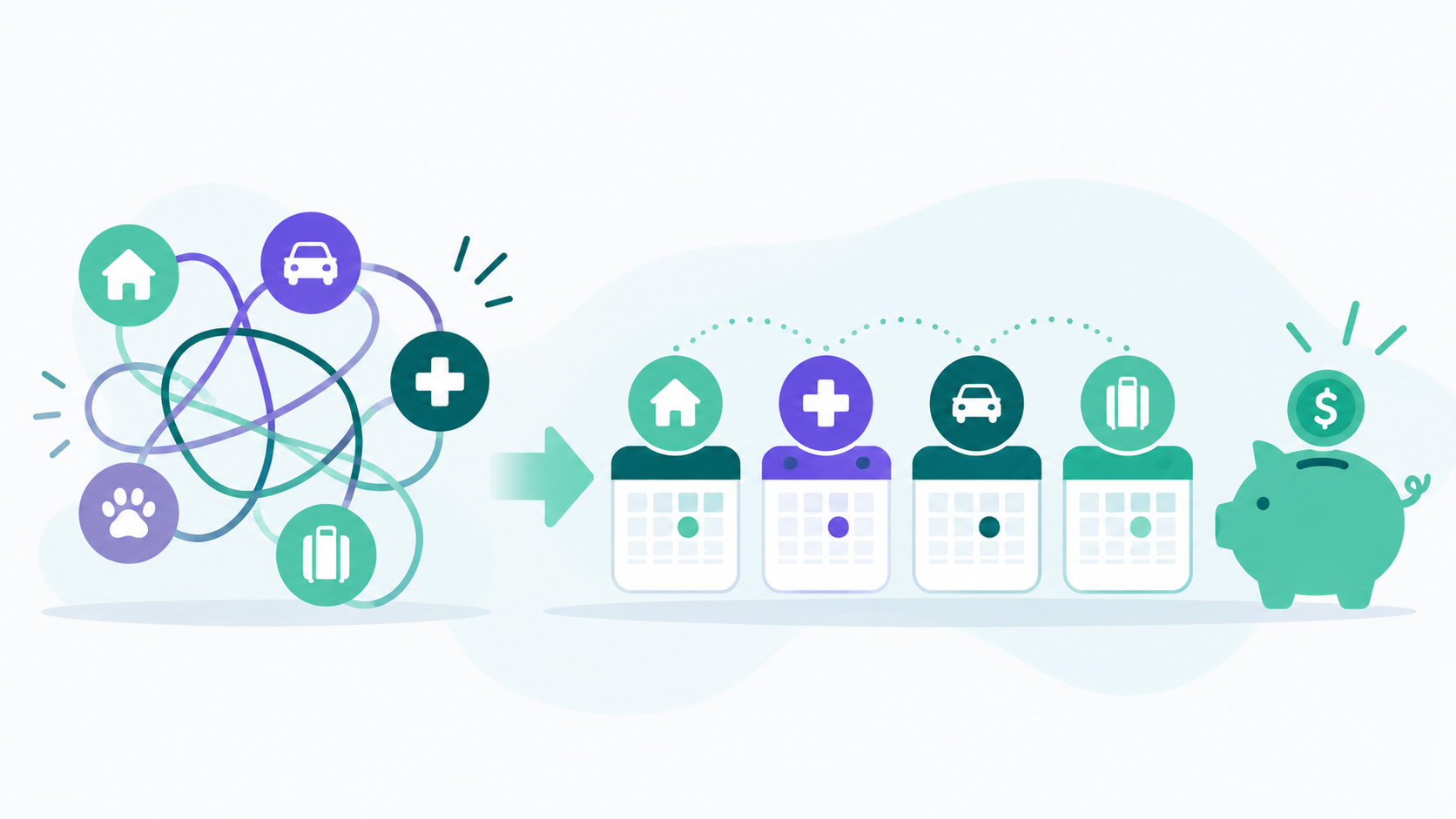
If you're behind on bills, carrying credit card debt, or wondering how to start an emergency fund with no money to spare, that advice is not just unhelpful. It actively makes things worse, because it tells you the only goal worth pursuing is one you cannot reach from where you stand.
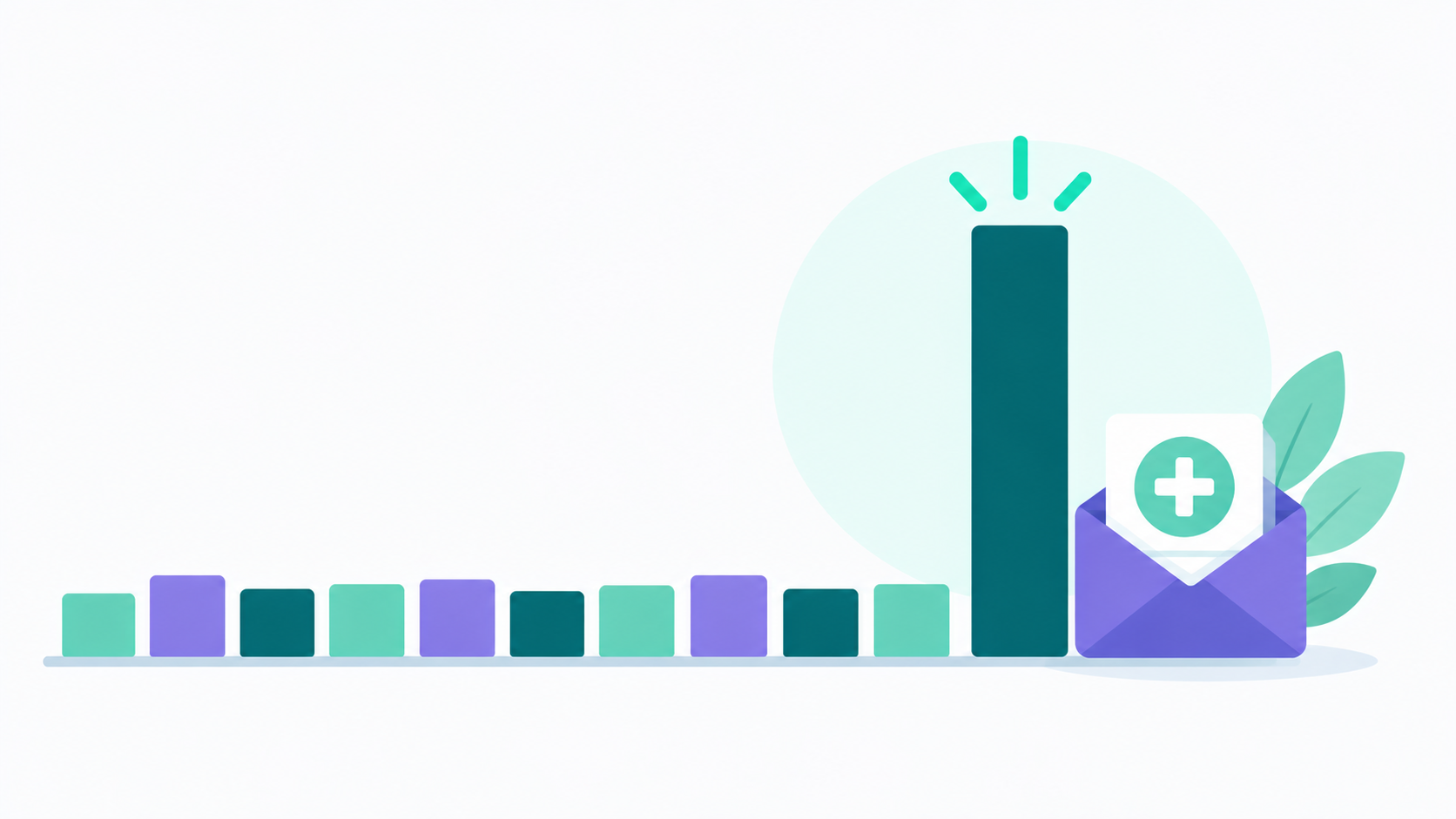
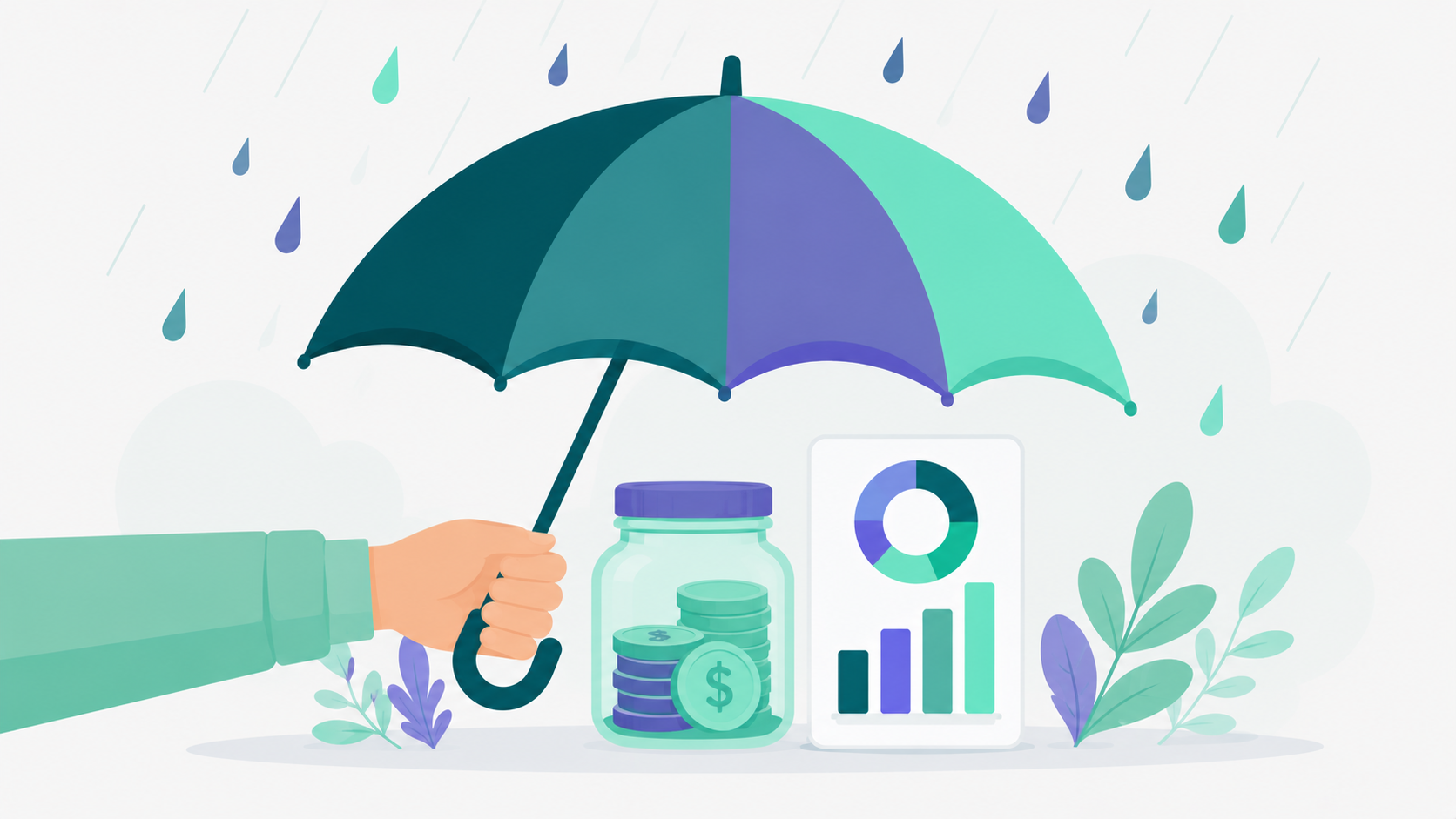
There is a better starting point. It is small, specific, and built for people who are still figuring it out. The Federal Reserve's 2024 survey found that 37% of U.S. adults could not cover a $400 emergency with cash. The CFPB's research shows that consumers with even some savings cut their overdraft rates nearly in half compared to those with nothing set aside. Vanguard found that reaching $2,000 in emergency savings is associated with a 21% jump in financial well-being, even after accounting for income and debt.
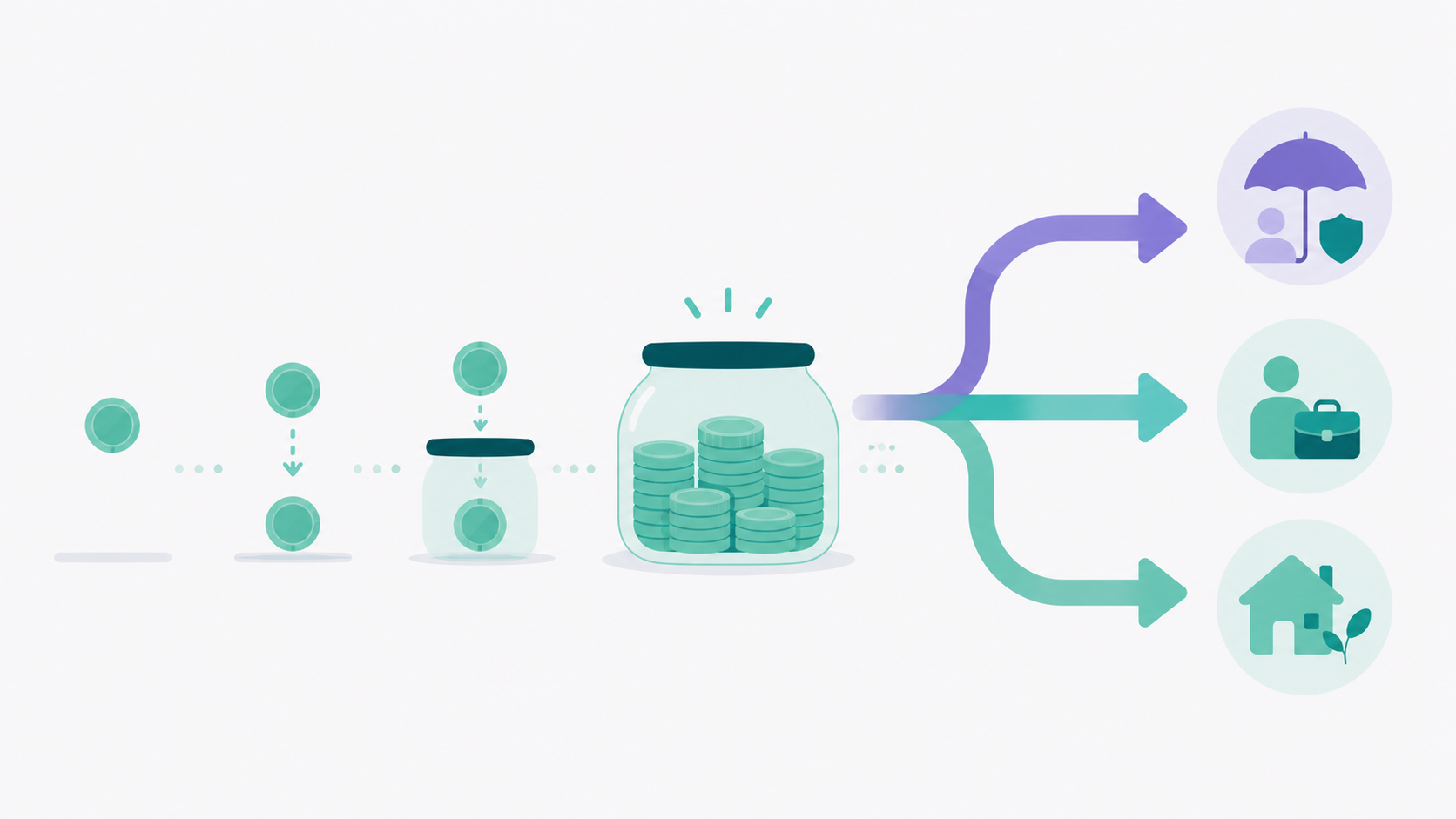
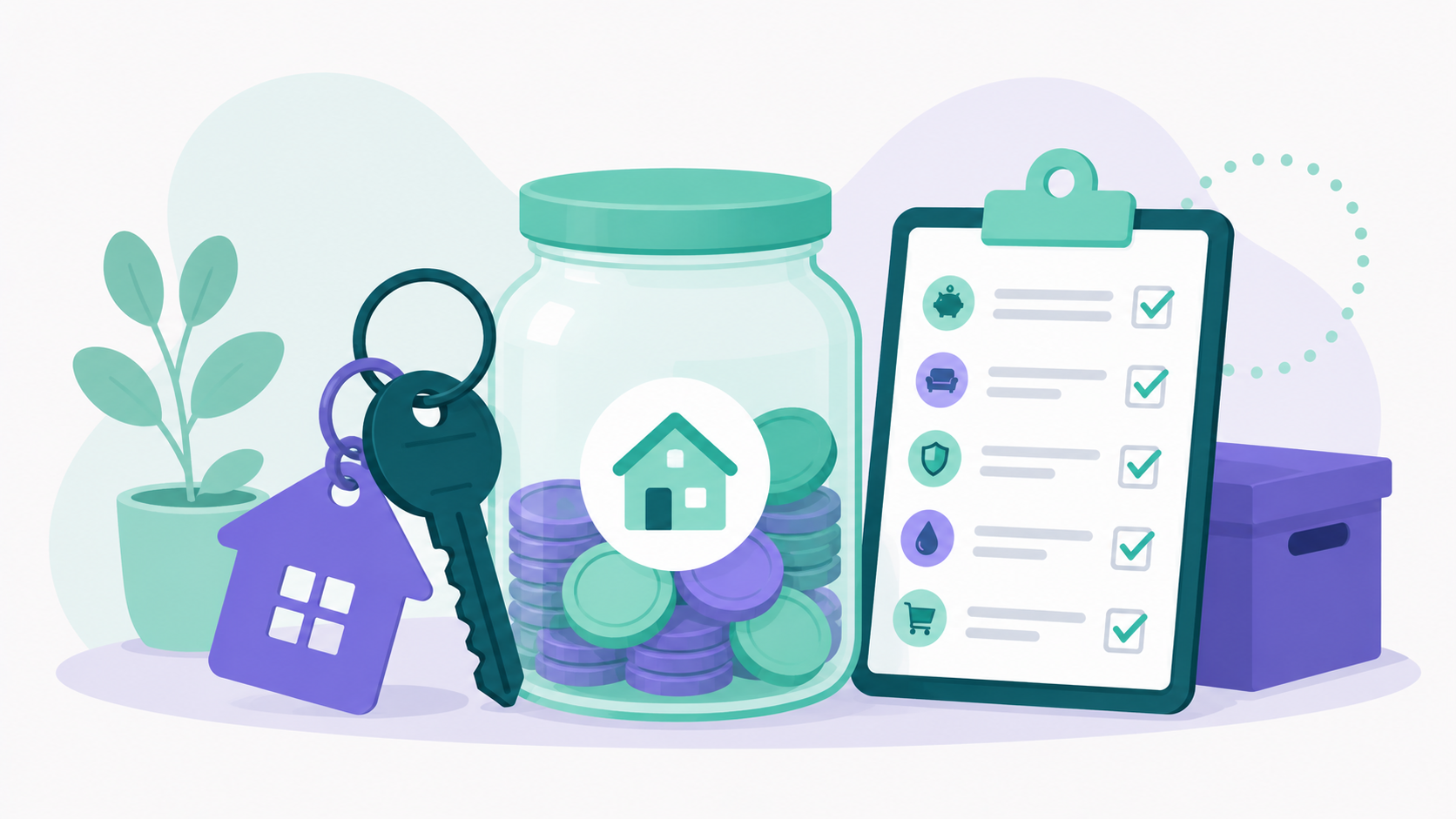
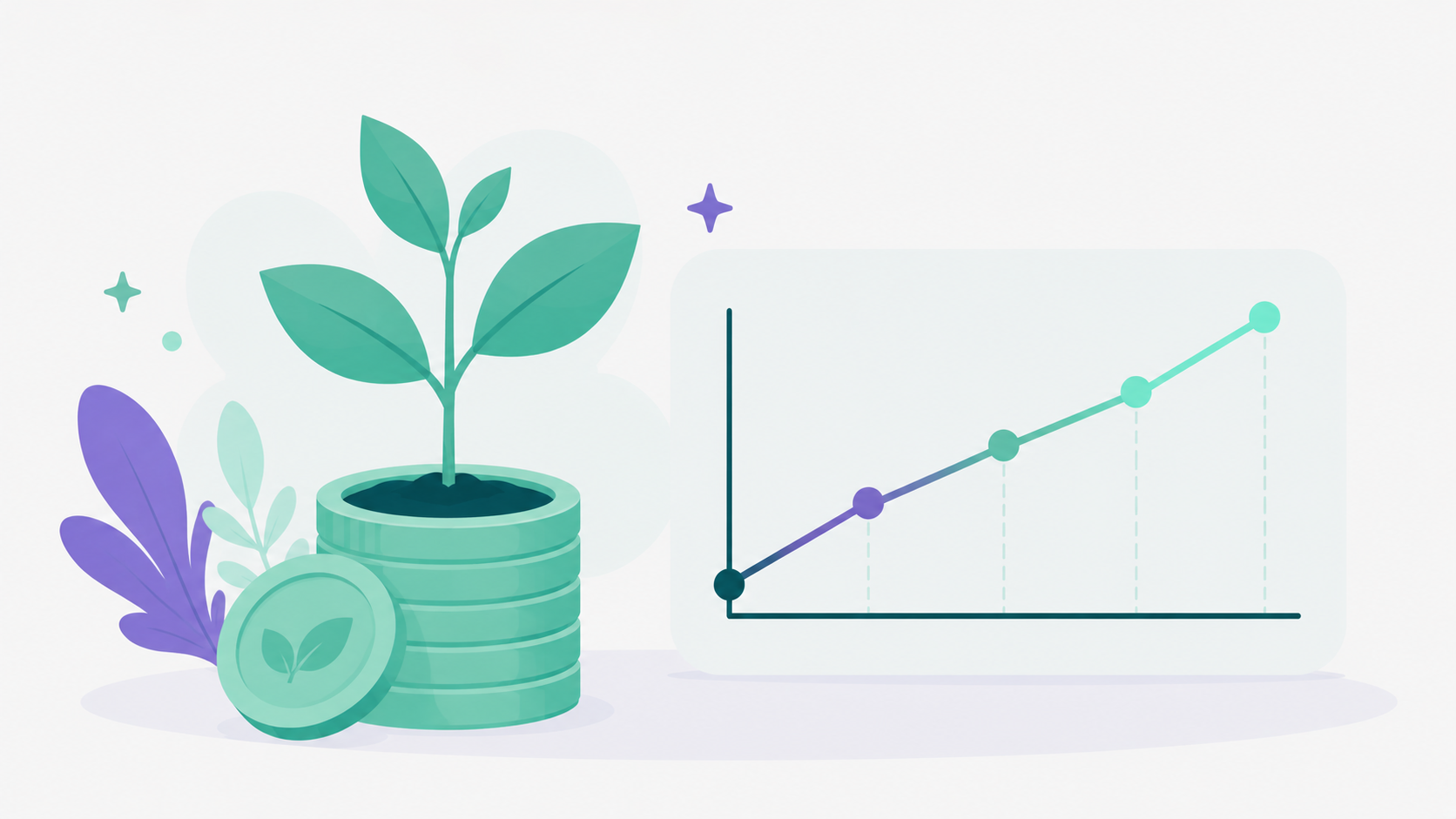
The goal is not a fully funded emergency fund. The goal is your first buffer.
Read post →